1974
7–12–1
240 points scored, 415 allowed, across 20 games. Houston’s stretch was 3–7–1 . After the name change, Shreveport went 4–4 .
 Shreveport Steamer
1975 primary mark
1974 – 1975
The Houston Texans of the World Football League crossed the state line in the middle of 1974. Shreveport gave them a name, a gold helmet, and two unfinished years at State Fair Stadium.
01 — The move
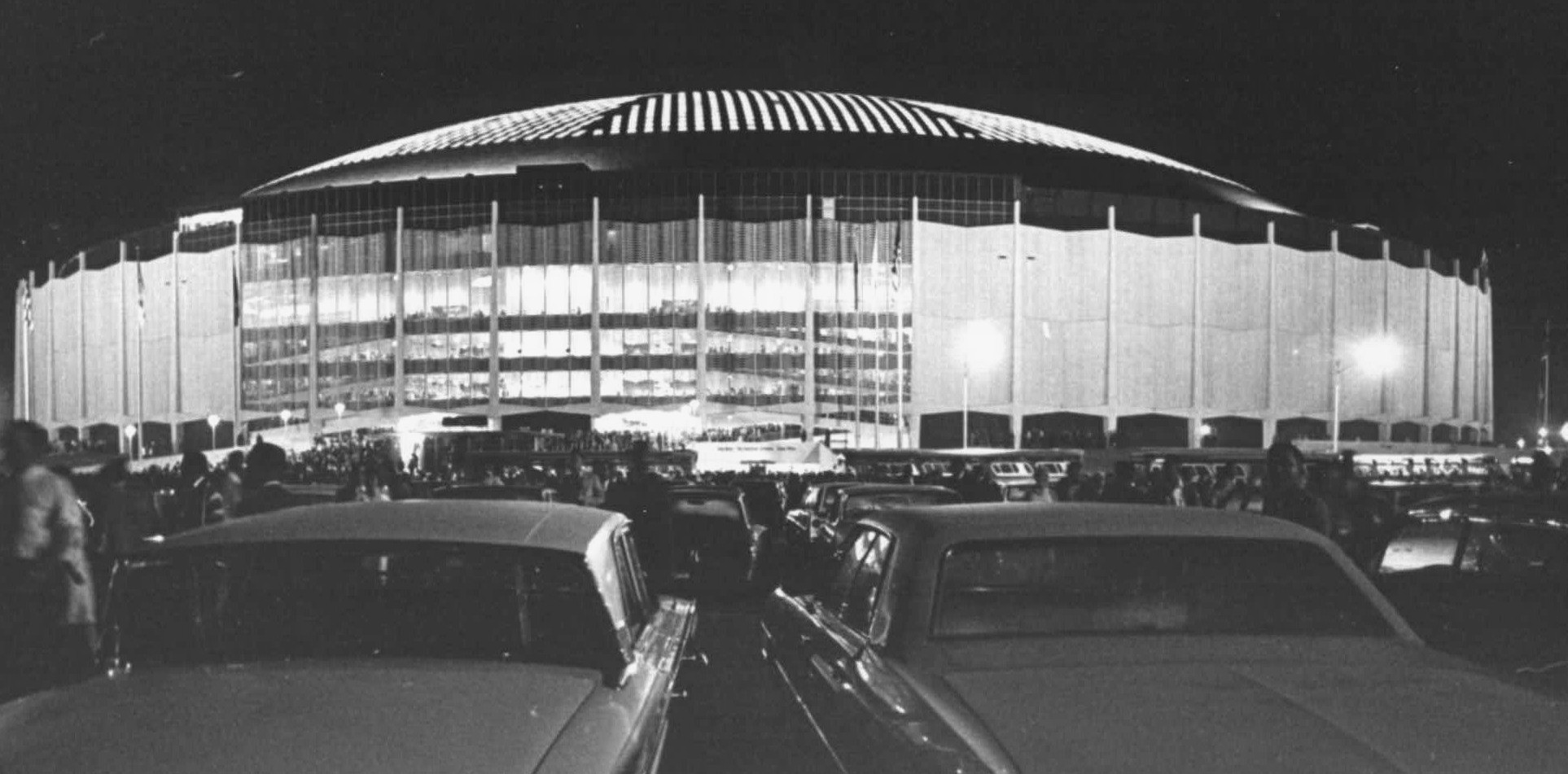
On September 18, 1974, a failing Houston franchise crossed into Louisiana. It had opened the World Football League season as the Houston Texans, in green and gold, at the Astrodome. That club is not the National Football League Texans, who began play in 2002. Eleven games in, the record was 3–7–1, the building had gone quiet, and owner R. Steven Arnold turned the club over to the league.
Shreveport took it. On September 23 the team was rechristened the Shreveport Steamer. People called them the Boats. The home debut was September 25 against the Memphis Southmen, before 21,357 at State Fair Stadium. Memphis won, 17–3. A week later the Steamer beat the Detroit Wheels, 14–11, and The Shreveport Times said the boat was whistling.
“Rinky dink.”
Garrett had coached the Texans and would not make the trip. Marshall Taylor, a former Tennessee Tech player, took the sideline. Quarterback Mike Taliaferro, an AFL veteran, retired rather than follow the team. The league’s phrase for the whole arrangement was “play now, pay later.”
02 — Two seasons
1974
7–12–1
240 points scored, 415 allowed, across 20 games. Houston’s stretch was 3–7–1 . After the name change, Shreveport went 4–4 .
1975
5–7
276 points scored, 313 allowed, in a season the league closed on October 22. The last kick was three days earlier: 41–31 over San Antonio, in front of 8,500.
03 — The book
Thirty-two results, from the Astrodome opener to the last afternoon on the fairgrounds. Filter the book. Open a line when it has a note.
32 games · 12–19–1 · 516 scored, 728 allowed
L 0 – 17
42,000
W 11 – 0
26,227
L 3 – 15
15,729
W 7 – 6
16,268
T 15 – 15
15,686
L 7 – 18
31,227
L 10 – 43
12,042
W 14 – 11
10,126
L 15 – 33
10,248
L 0 – 45
15,291
L 17 – 24
9,061
L 14 – 42
33,619
L 3 – 17
21,357
W 14 – 11
22,012
L 23 – 25
24,223
W 30 – 25
750
W 31 – 0
24,617
L 0 – 14
20,402
W 19 – 14
10,697
L 7 – 40
14,794
L 3 – 19
10,411
W 38 – 18
10,611
W 10 – 3
12,016
L 24 – 33
6,576
L 8 – 21
18,700
L 15 – 22
13,638
L 23 – 34
18,003
W 38 – 29
18,777
W 32 – 25
21,349
L 14 – 39
20,407
L 30 – 39
10,505
W 41 – 31
8,500
04 — Names
A short catalog, not a complete roster. Each line stays inside what the published histories actually say. The photographs are earlier or later pictures. The year is printed on each one.
22 names
Fullback
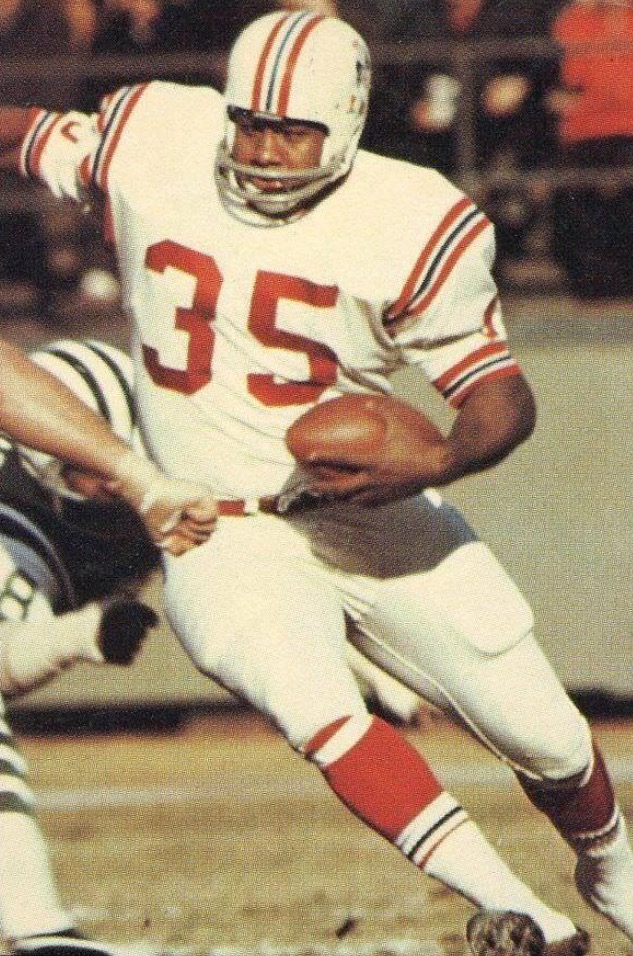
The Boston Patriots' AFL most valuable player in 1966. He came with the club from Houston and stayed. Published totals give him 1,240 yards and 8 touchdowns in 1974, then 767 yards at 5 yards a carry in 1975, his last professional season. He died on June 17, 1992, at 49.
Head coach
A former Tennessee Tech player who took the sideline in Shreveport after Jim Garrett refused the move. The Steamer went 4–4 under the new name in 1974. He is the coach of record for the 5–7 season in 1975.
Wide receiver
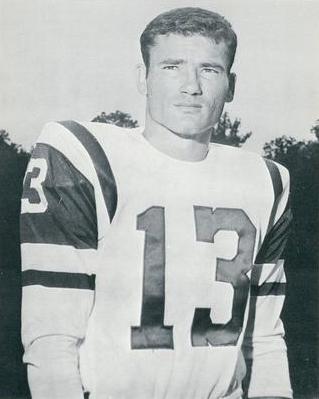
Pro Football Hall of Famer and the deep threat of the New York Jets. He was among the veterans on the Houston and Shreveport rosters.

Broadcaster
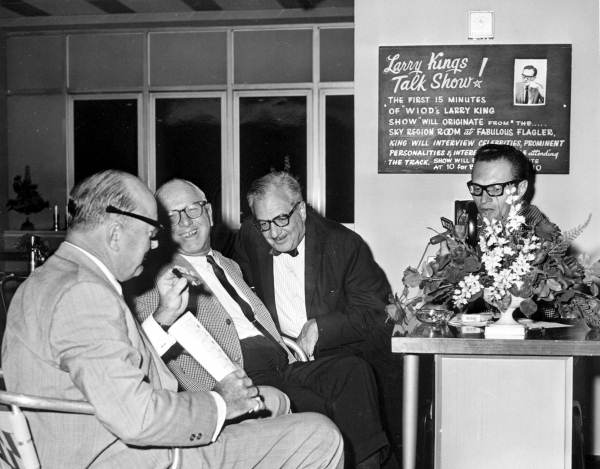
Called Steamer games on local radio, years before Larry King Live. Franchise histories describe him as a color commentator on the broadcasts.
Owner and coach
Revived the name in 1978 for a minor-league club in the American Football Association. He bought what was left of the WFL gear for $3,000, coached an 11–1 regular season, and was also the league president that year. The September 30 title game against the San Jose Tigers was billed as the King Kong Bowl. The programs arrived printed for the Hong Kong Bowl. San Jose won, 32–6.
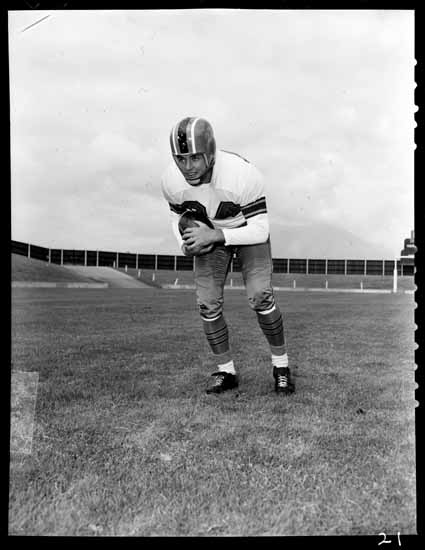
Coached the Texans through an 11-game start of 3–7–1. He called Shreveport a “rinky dink” town and was replaced rather than make the trip.
An AFL veteran. His passing is credited with the August 28 win over the New York Stars at the Astrodome. He retired rather than follow the franchise to Louisiana.
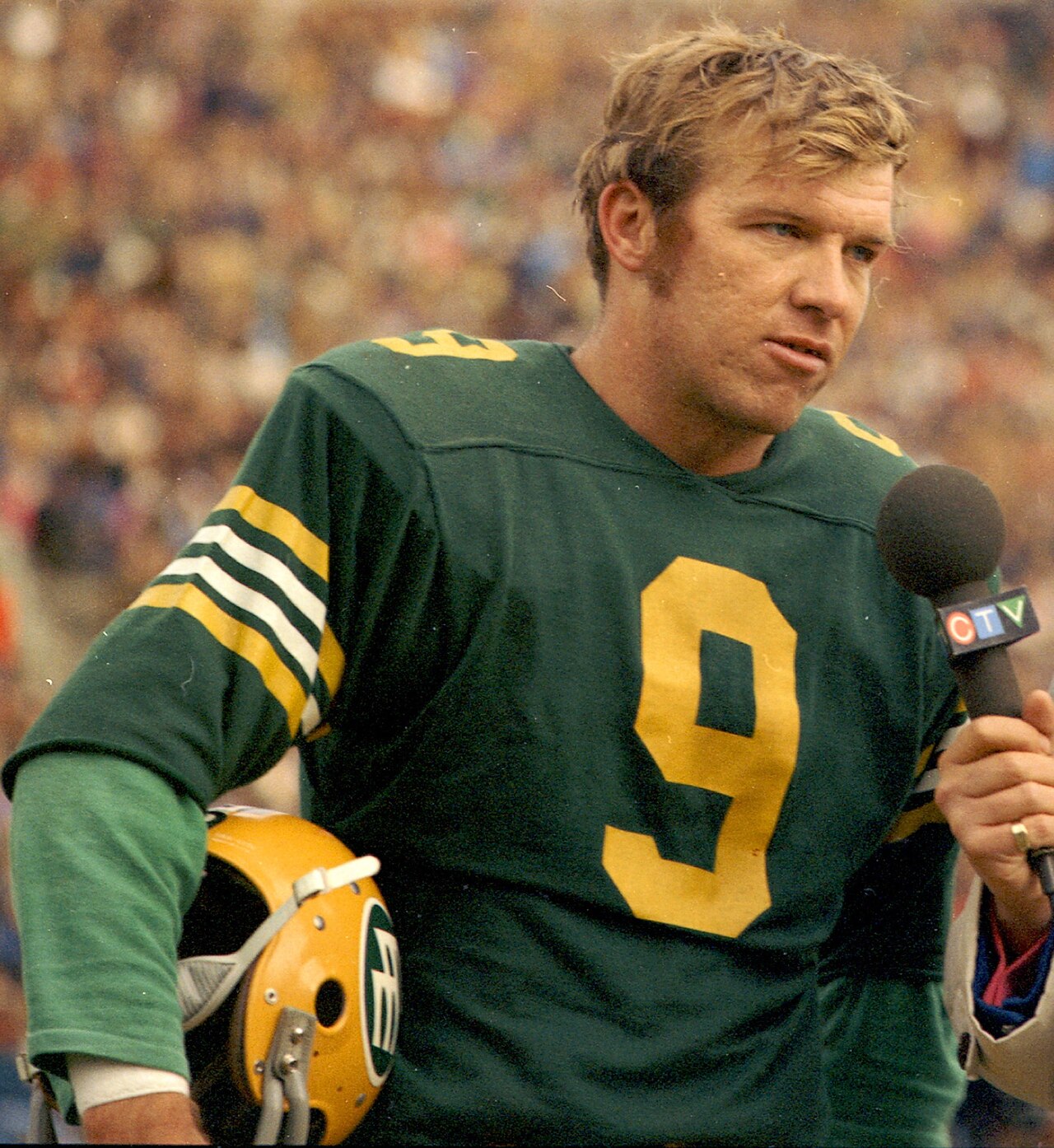
Baylor star and AFL veteran, in the Houston quarterback room with Taliaferro and D. C. Nobles.
University of Houston quarterback, noted in franchise histories as ambidextrous.
Former LSU quarterback. Compiled 1975 totals credit him with 2,100 passing yards.
Veteran receiver listed with the club in both seasons. Compiled 1975 notes also credit Ricky Scales with 505 receiving yards and Johnny Odom with 37 catches.
AFL veteran tight end on the Houston roster that became the Steamer.
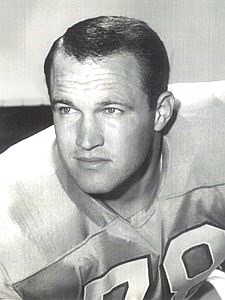
All-AFL tackle with the Houston Oilers, still blocking in green and gold.
AFL linebacker. One of the defensive veterans who gave the new league a familiar name.
A rookie linebacker, brother of Oakland Raiders defender Phil Villapiano.
Tennessee star and hurdler, playing defensive back. Teammates in the secondary included Daryl Johnson, John Mallory, and Art McMahon. Leon Jenkins is credited with 6 interceptions in 1975.
Defensive end on the veteran Houston group that arrived in Shreveport.
Texans owner who, eleven games in, turned a broke franchise over to the league. The club left for Shreveport on September 18, 1974.
Named in franchise histories among the local group that took the club on after the move. The league's own phrase for the operation was “play now, pay later.”
Headed the local group for the Steamer's second, and last, World Football League season.
Shreveport Buick dealer who headed the club after Lander left. He folded it in early August 1981, with two regular-season games left, citing strife with the players over pay.
Former Dallas Cowboys quarterback, signed in June 1979. He played sparingly that year and again in 1981. Home players were paid from the gate. In 1980 the Shreveport Times put a typical game check near $35.
05 — Fairgrounds
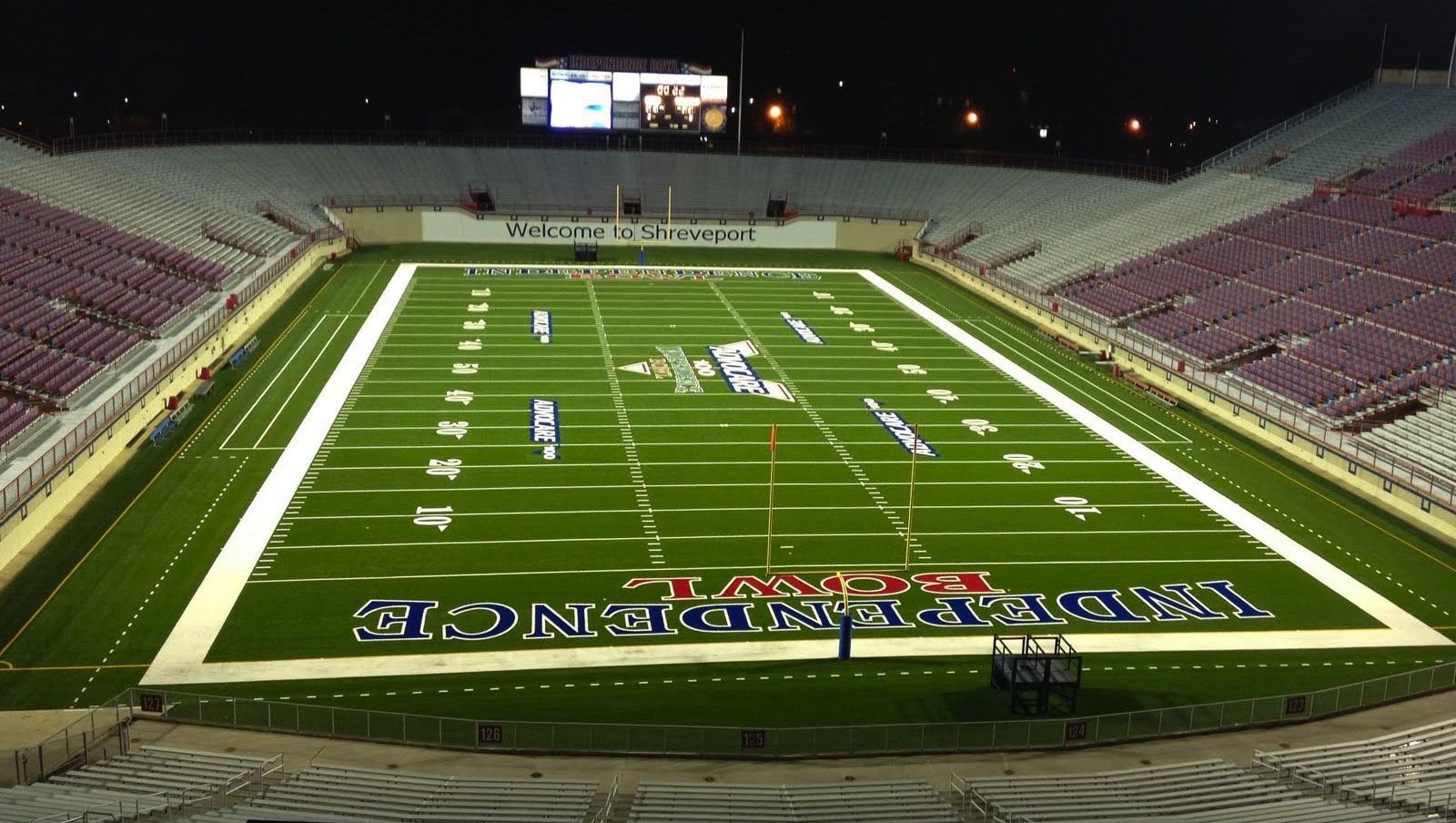
The bowl opened in 1924 on the state fairgrounds. Wire copy at the time of the move called it a 30,000-seat stadium. Later guides list a larger capacity. The crowds in this archive are the ones printed beside each game, not a guess at how many seats existed.
The biggest Shreveport house in the log is 24,617 , on Oct 23 , 1974 , a 31 – 0 win over the Birmingham Americans . The smallest home crowd is 8,500 , the last game. The smallest crowd anywhere is not a home date: 750 people in the rain at Philadelphia’s John F. Kennedy Stadium, on October 16, 1974, watched Shreveport win 30–25.
On November 6, 1974, Sheriff James M. Goslin was at the fairgrounds with a federal court order. Charlotte owed more than $26,000. He let the Hornets play, then seized their equipment. The Steamer won, 19–14.
Loudest home date
24,617
Oct 23 , 1974 · Birmingham Americans
Smallest home crowd
8,500
Oct 19 , 1975 · San Antonio Wings
06 — The league around them
Gary Davidson, already a founder of the ABA and the World Hockey Association, opened the World Football League on July 10, 1974. Twelve teams played on weeknights, ahead of the NFL calendar. Touchdowns counted 7. The extra point was an action point: a run or pass, not a kick. On the eve of the opener, The New York Times put that play on the 2½-yard line.
Kickoffs came from the 30. A catch needed one foot in bounds. There was no fair catch. The only championship, the World Bowl, was December 5, 1974, at Legion Field. Birmingham beat Florida, 22–21. The margin was one action point. Shreveport was not in it.
The league came back in 1975 under Chris Hemmeter and did not finish. Chicago’s second franchise, the Winds, quit on September 2. On October 22 the owners voted to close. The Steamer had already played its last game.
07 — A different league
From 1978 to 1981 a minor-league team in the American Football Association used the Steamer name, the mark, and what was left of the equipment. Harry Lander bought the stored gear for $3,000. He was owner, general manager, head coach, and, in 1978, president of that league. This was not the World Football League club.
The revival opened June 17, 1978, with a 32–16 win at the Wichita Falls Roughnecks, and ran to an 11–1 regular season. On September 30 Lander staged a title game against the San Jose Tigers and called it the King Kong Bowl. The printer delivered programs for the Hong Kong Bowl. A crowd later estimated at 15,000 to 18,000 saw San Jose win, 32–6.
Lander left for Birmingham in 1979. A local group headed by Ed Powell kept the team. Home players were paid a slice of the gate. In 1980 The Shreveport Times put a typical check near $35. The last game was August 1, 1981, a 15–3 loss at the Texas Wranglers. Powell folded the club days later, with two games left on the schedule. In 1982 a new entry, the Shreveport Americans, took the same league’s next turn.
08 — Questions
A World Football League team that played in Shreveport in 1974 and 1975. The franchise opened the 1974 season as the Houston Texans, moved on September 18, and was renamed the Shreveport Steamer on September 23. Home games were at State Fair Stadium, now Independence Stadium. The colors were green and gold. People called them the Boats.
In 1974 the franchise finished 7–12–1, scoring 240 points and allowing 415 across 20 games. The Houston stretch was 3–7–1. Games played under the Shreveport name that year were 4–4. In 1975 the Steamer went 5–7, scoring 276 and allowing 313, in 12 games. The league closed on October 22, 1975.
State Fair Stadium, on the Louisiana state fairgrounds in Shreveport. The building is now Independence Stadium. The home debut was September 25, 1974, a 17–3 loss to the Memphis Southmen, with 21,357 in the stands.
No. The 1974 Houston Texans were a World Football League team that played at the Astrodome and became the Shreveport Steamer in September. The National Football League Houston Texans are a later club, which began play in 2002.
Published histories name fullback Jim Nance, quarterbacks Edd Hargett, Don Trull, and Mike Taliaferro, receiver Don Maynard, and coaches Jim Garrett and Marshall Taylor. Larry King called games on local radio. The Names section is a short catalog, not a complete roster.
The last World Football League game was October 19, 1975, a 41–31 win over the San Antonio Wings. The league closed three days later. From 1978 to 1981 a separate American Football Association club reused the Steamer name. That team was not the World Football League franchise.
09 — Sources
Dates, scores, sites, and crowds for 1974 and 1975 follow the log assembled on Wikipedia from contemporary newspaper accounts, including The Shreveport Times.
The 5–7 record and the 276–313 point totals are the figures in the 1975 World Football League standings.
Ownership, the Garrett remark, Taliaferro's retirement, Nance's yardage, Larry King, and the 1978–1981 American Football Association club.
Opening-week description of the action point: a run or pass from the 2½-yard line, with touchdowns counted as 7.
An independent history project for the Shreveport Steamer. Not affiliated with the World Football League, the American Football Association, or the people named here. The mark beside the name is the 1975 Steamer logo. The portraits under Names are free photographs from other years, credited on the picture. Steamer game photographs stay with the people who hold those pictures.